
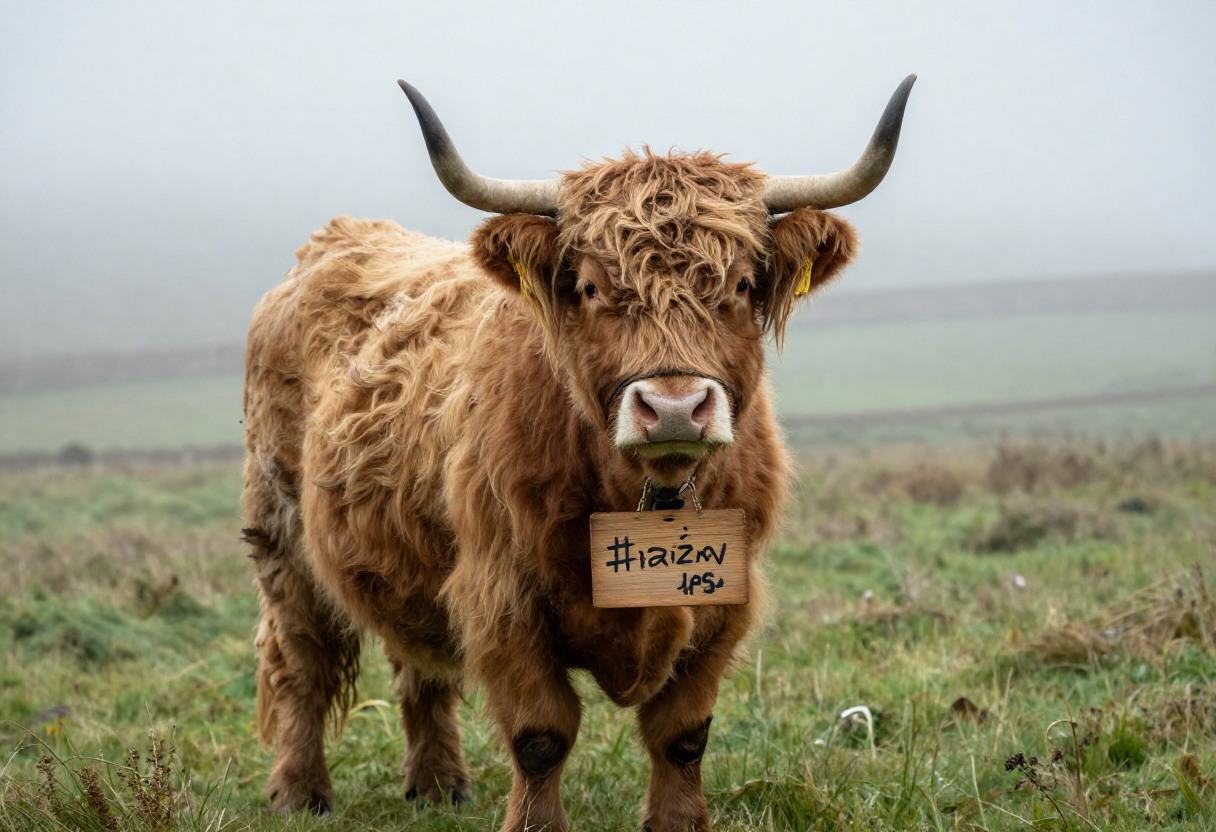
Many people fall in love with Highland cattle the moment they see a photo online, then quickly wonder how much is a highland cow. Because these shaggy, long-horned animals have become social media favorites, demand has grown rapidly over the past several years. In fact, prices now range widely, from a few thousand dollars for a basic calf to well over ten thousand for a top breeding animal. Therefore, this guide will walk through everything a curious buyer needs to know. It covers pricing by age and type, the factors that drive cost, and ongoing expenses after purchase. Additionally, we will explore mini Highlands, registration, and a few common buyer questions. We will also cover where to buy safely and practical tips for first-time owners. So, let’s take a closer look at what really determines how much is a highland cow.
What Is a Highland Cow?
At its core, a Highland cow is a hardy cattle breed that originated centuries ago in the rugged Scottish Highlands. Typically, these animals feature a long, shaggy coat, sweeping horns, and a calm, gentle temperament that appeals to many first-time livestock owners. Because the breed evolved to survive cold weather and rough terrain, Highland cattle tend to require less intensive care than many commercial breeds. As a result, homesteaders and hobby farmers increasingly choose Highland cattle for their hardiness and unique appearance. Unlike sleeker beef breeds, Highland cows carry a distinctive charm that has fueled their rise in popularity worldwide.
How Much Is a Highland Cow on Average?
When asking how much is a highland cow, the honest answer depends heavily on the specific animal. Generally speaking, standard full-size Highland cows typically range from around $1,500 to $10,000 or more. Because factors like age, genetics, and registration status vary so widely, no single price applies to every animal. Exceptional registered breeding stock, especially from award-winning bloodlines, can command significantly higher prices at specialty sales and auctions.
Meanwhile, market data shows just how dramatic recent price growth has been. Back in 2021, registered Highland cows averaged roughly $1,500 to $3,200 at sale. However, by early 2025, the average price at a major national Highland sale climbed to around $19,200 per animal. Therefore, buyers researching current prices should expect a market that continues shifting upward as demand keeps rising.
Highland Cow Prices by Age and Type
Because age and type significantly affect price, breaking down the categories helps buyers understand what to expect. First, baby calves typically represent the most affordable entry point, often starting between $800 and $2,500 depending on registration and genetics. Second, yearlings cost more than calves, since they are closer to breeding age and have already proven their health and growth.
Meanwhile, mature breeding cows tend to carry the highest prices, often ranging from $4,000 to $10,000 or more. This higher cost reflects their ability to produce calves immediately, adding value beyond the animal itself. On the other hand, bulls generally cost somewhat less than breeding cows, though bulls with strong genetics or a record of producing quality calves can still command premium prices. Therefore, understanding these categories helps buyers set realistic expectations before beginning their search.
What Affects How Much Is a Highland Cow?
Several key factors influence how much is a highland cow at any given time. First and foremost, genetics play a major role, since animals from well-known breeding programs or championship bloodlines often sell for considerably more. Second, registration status matters greatly, as registered cattle from organizations like the American Highland Cattle Association carry verified pedigrees that boost buyer confidence.
Additionally, coat color can influence price slightly, since rare or especially desirable colors sometimes attract a premium among collectors. Meanwhile, location plays a role too, because areas with fewer local breeders often see higher prices due to limited supply and added transportation costs. Furthermore, breeding status matters significantly, since a pregnant cow essentially represents two animals in one transaction. Because of this, confirmed pregnancy can add several thousand dollars to the total price.
Mini Highland Cows and Pricing
Because mini Highland cattle have exploded in popularity, their pricing often surprises first-time buyers. Generally speaking, mini Highlands cost between $2,000 and $10,000, depending on size, genetics, and breeder reputation. Interestingly, a tiny miniature calf can sometimes cost as much as, or even more than, a full-size adult Highland. This happens because breeding truly small cattle takes years of careful selection, and supply remains limited compared to demand.
Meanwhile, micro mini Highlands, bred to stay especially small at maturity, often command the highest prices within this category, sometimes reaching $10,000 or beyond. These animals require multiple generations of careful, selective breeding to reach their reduced size, which explains their steep cost. Therefore, buyers interested in mini Highlands should research a breeder’s parent animals carefully, since verified small genetics justify the higher asking price. Because these animals require years of selective breeding, patience and thorough research matter just as much as budget when shopping for a mini Highland cow.
Ongoing Costs Beyond the Purchase Price
While the purchase price answers how much is a highland cow upfront, ongoing expenses add significantly to total ownership cost. First, proper fencing matters greatly, since Highland cattle have large horns that require sturdy containment systems. Because of this, many owners budget several thousand dollars for woven wire or high-tensile electric fencing installation.
Meanwhile, shelter represents another significant expense, with a basic three-sided run-in shed typically costing between $2,500 and $5,000. Additionally, feed costs add up over time, since most owners need to supplement pasture with hay for several months each year. Therefore, budgeting $600 to $1,000 annually per cow for hay helps avoid unexpected shortfalls. Finally, routine veterinary care, including vaccinations and parasite control, typically costs a few hundred dollars per year, though emergencies can add unpredictable expenses.
Is a Highland Cow Worth the Investment?
Given the significant costs involved, many potential buyers wonder whether a Highland cow truly justifies the investment. Because these animals are known for hardiness, they often require less grain and fewer heated facilities than commercial beef breeds. As a result, some owners find that lower long-term maintenance costs help offset the higher initial purchase price. Meanwhile, breeding programs offer a potential path to recovering costs, since selling registered calves can generate meaningful income over time.
Additionally, some owners generate revenue through agritourism, charging visitors for farm tours or photography sessions featuring their Highland cattle. Therefore, while the upfront investment can feel steep, many owners find that the combination of hardiness, breeding potential, and unique appeal makes Highland cattle a worthwhile long-term commitment. Ultimately, the right answer depends on individual goals, available land, and willingness to manage ongoing care.
Frequently Asked Questions
Since many readers have similar questions, it helps to address a few of the most common ones here. First, people often ask whether Highland cows make good pets. Generally speaking, they can, thanks to their calm temperament, though they still require significant space and specialized care. Second, many wonder whether cheaper Highland cattle are worth buying. In most cases, buyers should proceed cautiously, since unusually low prices sometimes indicate health issues or unclear genetics.
Another common question involves transportation costs. Because Highland cattle are often shipped long distances, transportation fees can add several hundred dollars or more to the total price. Finally, some ask whether prices vary by region. Indeed, they do, since areas with fewer local breeders typically see higher prices due to limited supply and increased demand.
Where to Buy a Highland Cow
Shoppers wondering how much is a highland cow should also think carefully about where to buy one. Direct breeder sales remain the most popular option, since buyers can meet the animal, ask detailed questions, and review health records in person. Because breeders often specialize in specific bloodlines, working directly with them also makes it easier to trace an animal’s full genetic history. Meanwhile, livestock auctions occasionally feature Highland cattle, sometimes at lower prices than breeder sales, though buyers should evaluate health and pedigree carefully before bidding.
Additionally, online livestock marketplaces have grown increasingly popular, allowing buyers to compare Highland cattle listings across multiple states from home. These platforms often include photos, health documentation, and pricing details, making it easier to shop around before committing. However, buyers should still verify a seller’s reputation and request references whenever possible, since online scams have unfortunately increased alongside the breed’s rising popularity. Therefore, taking time to research a seller thoroughly helps protect against costly mistakes.
Tips for First-Time Highland Cow Buyers
For anyone new to Highland cattle, a few practical tips can help make the buying process smoother and safer. First, visiting the breeder’s farm in person, when possible, allows buyers to observe the animal’s temperament and overall health firsthand. Because temperament varies between individual animals, spending time around the cow before purchasing helps avoid surprises later. Second, asking for complete health records, including vaccination history, helps confirm the animal has received proper care.
Third, remembering that Highland cattle are herd animals matters greatly, since they generally need companionship from at least one other cow to stay healthy and content. Because of this, many buyers end up purchasing two animals rather than just one, which affects the total budget significantly. Finally, comparing prices across several breeders, rather than settling on the first available animal, helps ensure a fair and informed purchase. Therefore, patience and thorough research often lead to a far better outcome than rushing into a single deal.
Financing and Payment Considerations
Because Highland cattle often carry a significant price tag, many buyers explore financing or payment options before committing. Some breeders offer payment plans, allowing buyers to spread the cost over several months rather than paying the full amount upfront. Additionally, agricultural loans through local banks or credit unions sometimes cover livestock purchases, especially for buyers planning to raise cattle as part of a larger farming operation. Because loan terms vary widely, comparing offers from multiple lenders helps buyers find the most favorable rates.
Meanwhile, some buyers choose to save gradually, purchasing a single Highland cow now and expanding their herd over time as their budget allows. This approach reduces financial strain while still allowing new owners to gain hands-on experience with cattle care. Therefore, whether through financing, savings, or a combination of both, planning ahead helps make Highland cattle ownership more manageable, even when the upfront cost feels substantial.
Final Thoughts
All things considered, the answer to how much is a highland cow depends on a wide range of factors, from age and genetics to registration and location. Because prices span such a broad range, from a few thousand dollars to well over ten thousand, careful research remains essential before buying. Moreover, understanding both the purchase price and ongoing care costs helps buyers make a confident, well-informed decision.
Ultimately, whether drawn in by their shaggy charm or their breeding potential, Highland cattle continue to capture attention across the homesteading world. With realistic budgeting and a trusted breeder, owning one of these remarkable animals can become a rewarding long-term investment.
In the end, taking time to compare prices, research breeders, and understand ongoing costs pays off far more than rushing into a purchase. Because Highland cattle represent both a financial and emotional commitment, thoughtful preparation helps ensure a positive experience for both the owner and the animal.