
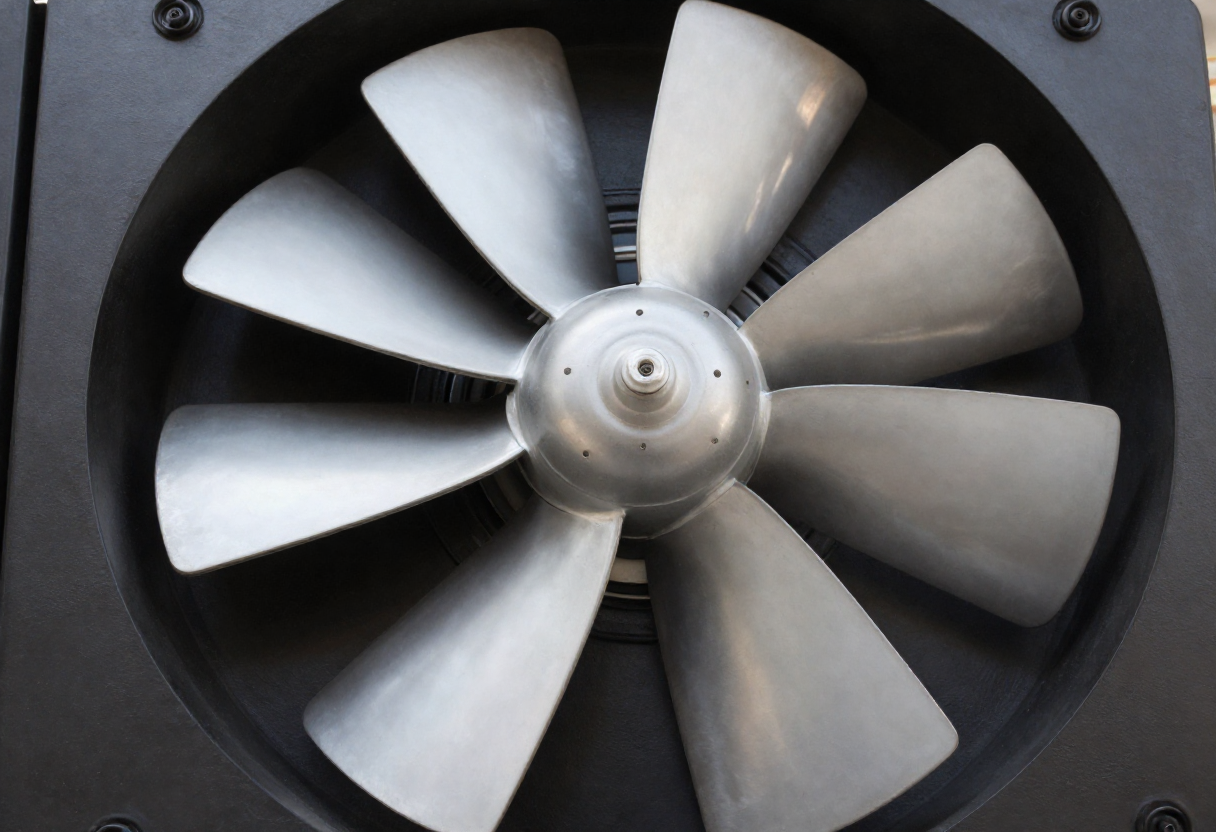
Many homeowners overlook the fan blade when shopping for a new fan, even though it plays a huge role in performance. In fact, the shape, material, and number of blades all affect how well a fan moves air through a room. Because a poorly designed blade can create excess noise or weak airflow, understanding this small but important part matters more than most people realize. Therefore, this guide will walk through everything a curious reader needs to know. It covers the different blade types, materials, and how blade design affects performance. Additionally, we will explore maintenance tips and answer a few common questions about fan blades. We will also look at the history of blade design and how blade shape affects energy efficiency. So, let’s take a closer look at what makes a fan blade such an important piece of everyday technology.
What Is a Fan Blade?
At its core, a fan blade is the flat, angled piece that spins to push air in a specific direction. Typically, several blades attach to a central hub, which connects to a motor that spins the entire assembly. Because the blades sit at an angle, rather than flat, they slice through the air and create movement rather than simply spinning in place. As a result, the angle, length, and shape of each blade directly influence how much air the fan can move. Unlike a flat disc, angled blades work almost like small airplane wings, generating airflow through their curved or tilted design.
Common Types of Fan Blades
Because fans serve many different purposes, several distinct blade styles have become popular over the years. First, straight blades offer a simple, flat design that works well for basic box fans and small desk fans. Second, curved or scooped blades, often found on ceiling fans, tend to move more air with less motor strain. Third, some fans use winglet blades, which include a small upward curve at the tip, similar to airplane wings, to reduce turbulence and improve efficiency.
Meanwhile, industrial fans often use wider, more aggressive blade shapes designed to move large volumes of air quickly. This design works especially well in factories or warehouses where strong airflow matters more than quiet operation. Furthermore, some modern ceiling fans use fewer, wider blades instead of many narrow ones, since this design can improve efficiency while reducing wobble. Because each blade style serves a slightly different purpose, buyers should think carefully about their specific airflow needs before choosing a fan.
Materials Used in Fan Blades
Every fan blade begins with a material choice that affects weight, durability, and noise level. Most ceiling fan blades use wood, MDF, or a wood veneer, since these materials offer a sturdy structure with an attractive finish. Because wood-based blades can also be stained or painted, they blend easily with many interior design styles. Meanwhile, metal blades, often made from aluminum or steel, appear frequently in industrial and outdoor fans due to their strength and resistance to warping.
For smaller fans, such as desk or tower models, manufacturers often choose lightweight plastic. Plastic blades keep the overall unit light, which allows the motor to spin them quickly without excess strain. Additionally, some high-performance fans use composite materials that blend strength with reduced weight, improving both efficiency and durability. Because these material choices vary so widely, buyers can usually find a fan blade suited to their specific room, budget, and noise preferences.
How Fan Blade Design Affects Performance
Because blade design directly shapes airflow, small differences can lead to noticeably different results. First, blade pitch, which refers to the angle of each blade, plays a major role in how much air a fan pushes with each rotation. A steeper pitch typically moves more air, though it may also require a stronger motor to maintain that speed. Second, blade length affects reach, since longer blades generally cover more space but may also increase noise at higher speeds.
Meanwhile, the number of blades on a fan influences both airflow and sound. Fans with fewer, wider blades often move air efficiently while running quieter, since fewer surfaces cut through the air at once. On the other hand, fans with more blades can sometimes create smoother, steadier airflow, though they may require more energy to spin. Therefore, manufacturers carefully balance blade count, pitch, and shape to achieve the right combination of power and quiet operation.
Maintaining and Cleaning Fan Blades
Proper care helps a fan blade perform well and last for many years. First, it helps to dust the blades regularly with a soft cloth or a vacuum attachment, since dust buildup can throw off balance and reduce airflow. Second, checking for wobble occasionally lets homeowners catch loose screws or uneven blades before they cause bigger problems. Because dust also collects unevenly across blade surfaces, cleaning both sides evenly helps maintain proper balance during rotation.
Third, avoiding harsh chemical cleaners protects the blade’s finish, especially on wood or painted surfaces that can scratch or discolor easily. A simple mixture of mild soap and water usually works well for most fan blade materials. Finally, tightening any loose screws or connections keeps the blade securely attached to the motor, reducing noise and preventing damage over time. Therefore, a little routine maintenance goes a long way toward keeping a fan running smoothly.
Choosing the Right Fan Blade for Your Needs
When selecting a fan, thinking specifically about the blade can help buyers make a smarter, more informed choice. For a bedroom or quiet office, a fan blade with fewer, wider surfaces often provides steady airflow without excessive noise. Because these spaces benefit from calm, consistent air movement, quieter blade designs tend to work best here. Meanwhile, larger rooms or outdoor spaces may benefit from fans with more aggressive blade angles that push air across a wider area.
Additionally, considering the room’s ceiling height matters for ceiling fans, since blade length must match the space to avoid safety hazards or reduced performance. For garages, workshops, or industrial spaces, a fan blade built from durable metal often withstands heavier use and rougher conditions. Therefore, matching blade type, material, and size to the specific room helps ensure the best possible performance and comfort.
Comparing Fan Blade Designs Across Fan Types
When compared across different fan types, blade design varies significantly depending on the intended use. Ceiling fans typically use wide, angled blades built for quiet, steady airflow across an entire room. As a result, these blades often prioritize smooth rotation over raw power. Standard box or floor fans, on the other hand, use smaller, faster-spinning blades designed for direct, concentrated airflow.
Meanwhile, industrial fans use larger, more powerful blades built to move massive volumes of air quickly, often at the expense of quiet operation. On the other hand, computer or electronics cooling fans use tiny, precisely angled blades optimized for efficient heat dispersion in a compact space. Therefore, while all fan blades share the same basic purpose, their specific design reflects the unique demands of each application.
Frequently Asked Questions
Since many readers have similar questions, it helps to address a few of the most common ones here. First, people often ask how many blades a fan needs for the best performance. Generally speaking, three to five blades tend to offer a solid balance between airflow and quiet operation for most home fans. Second, many wonder whether more blades always mean better performance. In most cases, not necessarily, since blade shape and motor strength matter just as much as blade count.
Another common question involves replacing a damaged fan blade. Because most fans use a standardized mounting system, homeowners can often purchase replacement blades that match their specific fan model. Finally, some ask whether blade material affects energy efficiency. Indeed, it can, since lighter materials generally require less energy to spin at the same speed compared to heavier alternatives.
The History of Fan Blade Design
Interestingly, fan blade design has evolved significantly since the earliest electric fans appeared in the late nineteenth century. Early fans often used heavy metal blades with simple, flat shapes, since manufacturers had limited tools for shaping more complex curves. Because these early designs prioritized function over quiet operation, they tended to run loudly compared to modern fans. Over time, engineers began experimenting with curved and angled blades, discovering that subtle changes in shape could dramatically improve airflow.
Meanwhile, the rise of ceiling fans in the twentieth century pushed blade design even further, as homeowners wanted both performance and visual appeal. Wood and wood-look blades became popular for their ability to blend with home decor while still moving air effectively. Today, computer-aided design tools allow engineers to test countless blade shapes digitally before building a single physical prototype. Therefore, modern fan blades benefit from more than a century of gradual refinement, resulting in quieter, more efficient designs than ever before.
Energy Efficiency and Fan Blade Shape
Because energy costs matter to many households, fan blade shape plays a surprisingly large role in overall efficiency. A well-designed blade moves more air using less motor power, which directly reduces electricity consumption over time. Meanwhile, poorly shaped blades often require the motor to work harder, wasting energy without necessarily improving airflow. Consequently, manufacturers increasingly focus on aerodynamic blade shapes that maximize airflow per unit of energy used.
Additionally, some newer fan models feature blades with slightly twisted profiles, similar to airplane propellers, which help maintain consistent airflow across the blade’s entire length. This design reduces the strain near the blade tips, where air resistance often increases. Therefore, buyers looking to reduce energy costs should pay close attention to blade design, not just motor wattage, when comparing fan models. Over time, an efficient fan blade can noticeably lower a household’s overall energy usage.
Common Fan Blade Problems and Fixes
Even well-made fans can develop problems over time, and the blade is often at the center of these issues. First, wobbling is one of the most common complaints, usually caused by uneven weight distribution across the blades. Because dust buildup, warping, or loose screws can all throw off balance, checking each of these factors helps identify the root cause quickly. Second, unusual noise often points to a blade rubbing against another part of the fan housing.
Meanwhile, reduced airflow sometimes results from a bent or cracked blade, which disrupts the smooth airflow pattern the design originally intended. In these cases, replacing the damaged blade usually restores normal performance more effectively than attempting a repair. Fortunately, most manufacturers sell individual replacement blades, so a full fan replacement is rarely necessary. Additionally, squeaking sounds can sometimes come from the motor rather than the blade itself, so ruling out other components helps narrow down the true source of the problem. Therefore, a systematic approach to troubleshooting saves both time and unnecessary replacement costs.
Final Thoughts
All things considered, a fan blade plays a far bigger role in comfort and performance than most people realize. Because its shape, material, and design directly affect airflow and noise, choosing the right blade can make a noticeable difference in everyday use. Moreover, understanding these small details helps buyers select a fan that truly fits their space and needs.
Ultimately, whether cooling a bedroom, an office, or an entire warehouse, the right fan blade remains a small but essential piece of everyday comfort. With a little knowledge and regular maintenance, any fan blade can continue performing well for many years to come.
In the end, paying attention to blade shape, material, and design helps buyers get more value from every fan they purchase. Because small design choices add up to noticeable differences in comfort, noise, and energy use, a thoughtful approach to selecting a fan blade pays off in the long run.