
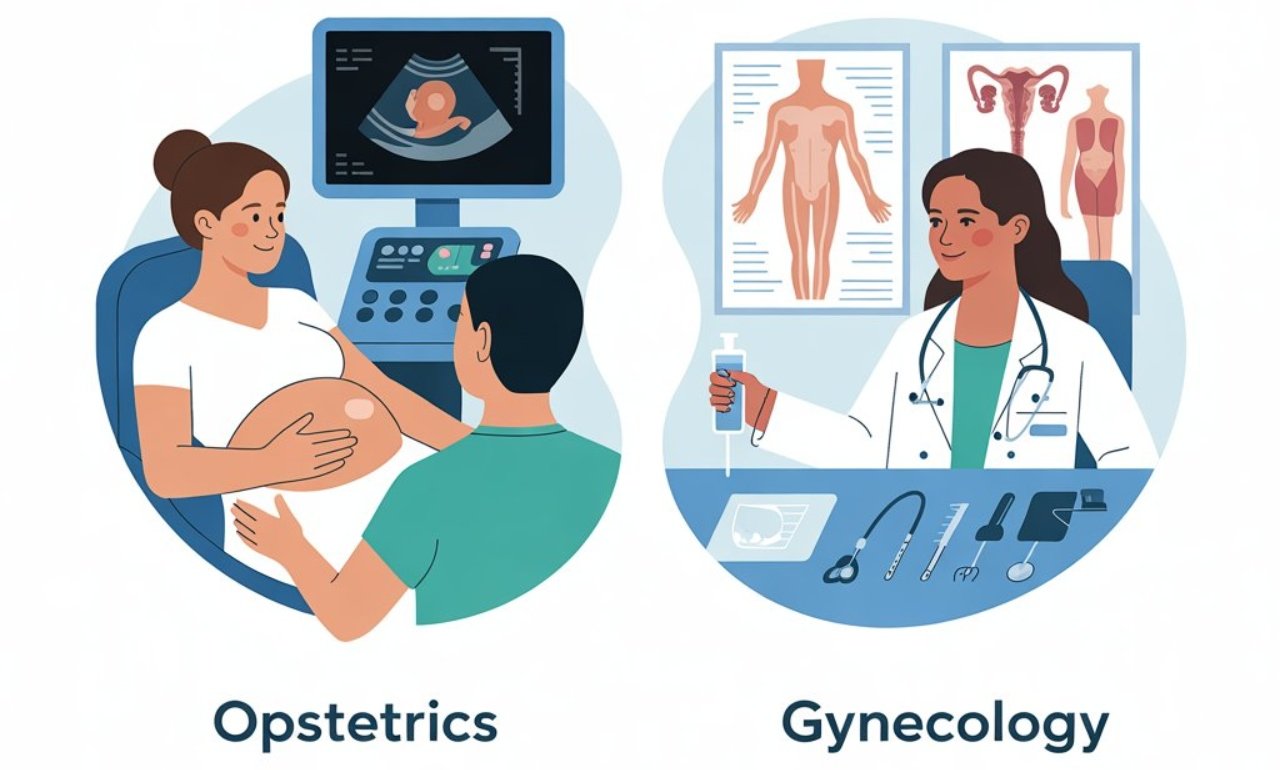
When it comes to women’s health, two terms often come up: obstetrics and gynecology. While they may seem similar at first glance, each field has its own unique focus and expertise. Understanding these differences can help you navigate your healthcare choices more effectively. Whether you’re planning for pregnancy or seeking routine care, knowing what obstetrika encompasses versus gynecology is essential. Let’s dive into the specifics of each specialty and uncover what makes them distinct yet intertwined in the world of women’s health.
What is Obstetrics?
Obstetrics is a specialized field of medicine focused on pregnancy, childbirth, and the postpartum period. It encompasses all aspects of maternal and fetal health.
Healthcare professionals in obstetrics monitor pregnancies closely. They ensure both mother and baby are healthy throughout this critical time. This includes regular check-ups, ultrasounds, and prenatal care.
During labor and delivery, obstetricians play a crucial role. They assist with various birthing techniques and manage complications that may arise. Their training equips them to make quick decisions for the safety of both mother and child.
Moreover, obstetrics extends into postnatal care as well. After childbirth, these specialists continue to support new mothers during recovery while addressing any concerns related to breastfeeding or emotional wellbeing.
The blend of science and compassion defines obstetrics—making it essential for expectant families navigating this transformative journey together.
What is Gynecology?
Gynecology is the branch of medicine focused on women’s health, particularly the reproductive system. It encompasses a wide range of services that address both physical and emotional well-being.
This specialty deals with issues related to menstruation, fertility, pregnancy, and menopause. Gynecologists perform routine examinations like Pap smears and breast exams to ensure early detection of potential health problems.
They also provide treatments for various conditions such as endometriosis, ovarian cysts, and sexually transmitted infections. In addition to medical intervention, gynecologists emphasize education about sexual health and family planning options.
Moreover, they often work closely with obstetricians during pregnancy care but maintain distinct practices dedicated solely to women’s general reproductive health. With advancements in technology and treatment methods, gynecology continues to evolve in addressing women’s unique healthcare needs.
Key Differences Between Obstetrics and Gynecology
Obstetrics and gynecology, while often linked, cater to different aspects of women’s health.
Obstetrics primarily focuses on pregnancy and childbirth. Obstetricians specialize in prenatal care, labor management, and postnatal support.
Gynecology addresses a wider range of female reproductive health issues. Gynecologists provide services related to menstruation, contraception, menopause, and various disorders.
The types of patients they treat also differ significantly. Expecting mothers seek obstetricians for their specific needs during pregnancy. Meanwhile, women at any stage can consult gynecologists for routine exams or medical concerns.
Training paths diverge as well. Obstetricians undergo specialized training in managing pregnancies alongside general medicine education. Gynecologists focus on the broader spectrum of women’s health through extensive studies in reproductive anatomy and physiology.
Understanding these distinctions helps women make informed choices about their healthcare providers based on individual needs.