
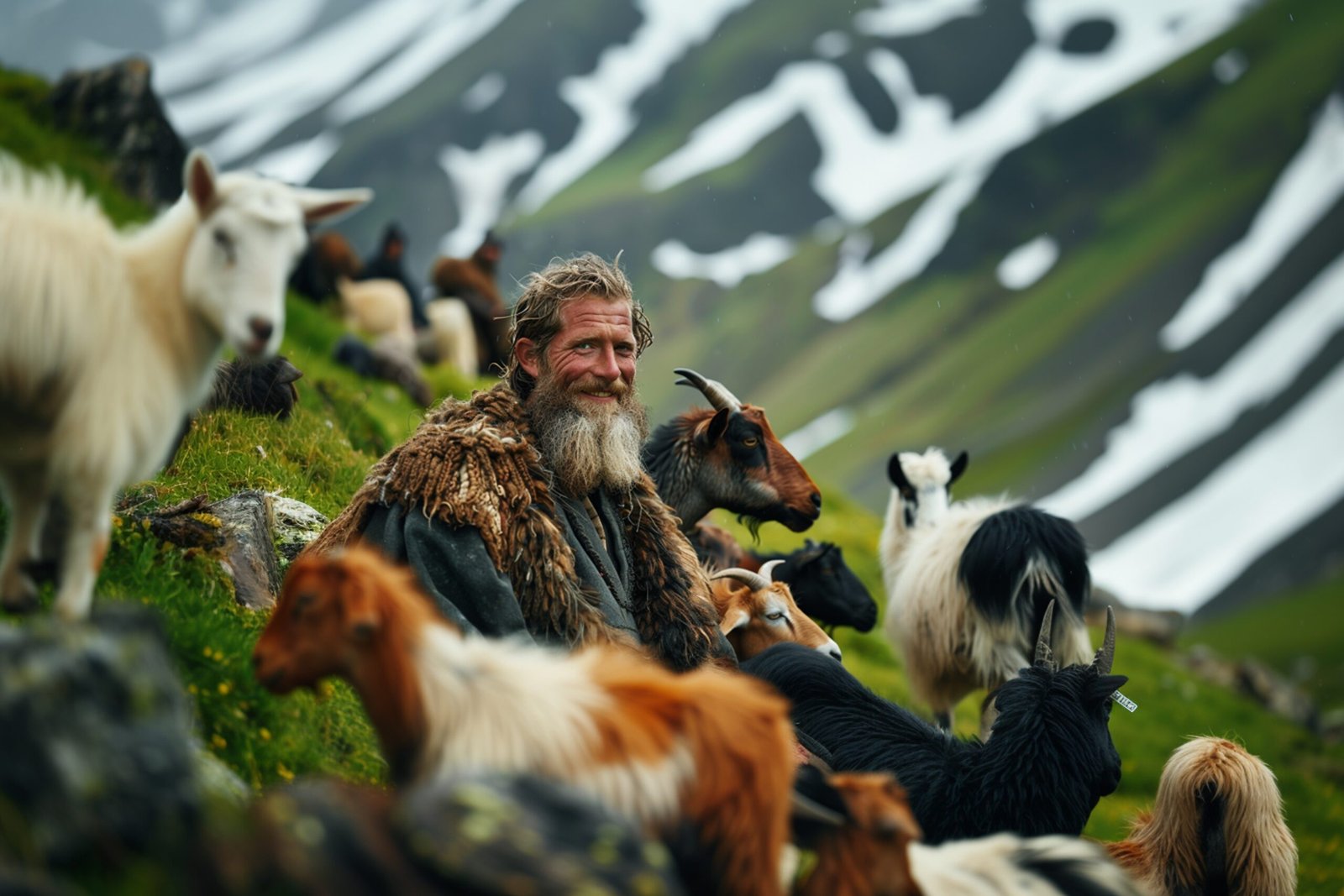
Nestled high in the mountains, a time-honored tradition thrives amidst rugged landscapes and breathtaking vistas. Simbramento is more than just a way of life; it’s a rich tapestry woven from history, culture, and deep-rooted practices that have shaped communities for generations. As shepherds guide their herds through lush pastures, they carry with them stories that echo through valleys and peaks. This ancient practice not only sustains livestock but also nurtures the spirit of those who partake in it.
Join us as we explore the origins of simbramento, its symbolism, and its vital role in preserving cultural heritage while facing modern challenges. Discover how this remarkable tradition continues to shape identities and foster connections between people and nature. Whether you’re familiar with mountain grazing or new to this captivating subject, there’s much to uncover about simbramento’s enduring significance in our world today.
History of Simbramento: Origins and Evolution
Simbramento traces its roots back to ancient pastoral practices in the Italian Alps. Originally, it was a method for herders to guide their livestock to high mountain pastures during the summer months. This age-old tradition allowed animals to graze on fresh grass while providing farmers with essential resources.
As time passed, Simbramento evolved into more than just a farming technique. It became a cultural celebration of community and nature’s bounty. Local festivals began celebrating this seasonal migration, fostering connections among villagers and honoring ancestral customs.
The practice saw significant transformations through the centuries as agricultural methods advanced. Modernization introduced new technologies yet left core elements intact. Today, Simbramento reflects not only practical grazing needs but also deep-rooted traditions that bind communities together in shared heritage and appreciation for mountainous landscapes.
The Symbolism and Meaning of Simbramento
Simbramento embodies a deep connection to the land and ancestral traditions. This mountain grazing practice is not just about livestock; it’s a way of life that reflects harmony with nature.
The act itself symbolizes resilience, as herders navigate challenging terrains while caring for their animals. It showcases a relationship forged over generations, where respect for the environment is paramount.
Culturally, simbramento represents community. Families come together during this seasonal migration, sharing knowledge and experiences that strengthen bonds. The rituals associated with it often convey themes of abundance and gratitude.
Additionally, simbramento serves as an emblem of identity for many communities in the mountains. It’s a reminder of heritage—an expression passed down through stories and practices that shape local customs today. This tradition encapsulates values like stewardship and cooperation between humans and nature’s rhythms.
The Importance of Mountain Grazing in Traditional Culture
Mountain grazing holds a special place in traditional cultures around the world. It is more than just a method of livestock management; it represents a way of life deeply connected to nature.
Shepherds lead their flocks to high pastures during warmer months, following ancient routes and practices passed down through generations. This movement fosters not only animal health but also preserves biodiversity in fragile ecosystems.
The act of grazing enhances community ties as families gather for seasonal migrations. These moments create bonds among shepherds and neighboring villages, strengthening cultural identity.
Grazing lands are often intertwined with folklore and rituals that honor the land’s spirits and resources. Such traditions remind us of our responsibility towards nature, ensuring sustainable use for future generations.
In today’s fast-paced world, these practices serve as important reminders of simpler times when harmony with nature was paramount to survival and well-being.
Modern Applications of Simbramento
In today’s world, simbramento finds fresh relevance beyond its traditional roots. Farmers and local communities are embracing this ancient practice to promote sustainable agriculture. By utilizing high-altitude grazing areas, livestock benefit from nutrient-rich pastures while minimizing land degradation.
Moreover, modern culinary trends celebrate simbramento through farm-to-table initiatives. Chefs highlight dishes featuring mountain-grazed meats and artisanal cheeses. This not only honors the heritage of the region but also supports local economies.
The rise of eco-tourism has further spotlighted simbramento. Tourists seek authentic experiences by participating in seasonal transhumance activities, immersing themselves in the culture of mountain herding.
Additionally, educational programs are on the rise. Workshops and guided tours teach younger generations about biodiversity and environmental stewardship tied to these grazing practices. Engaging youth ensures that this rich tradition adapts while remaining deeply rooted in its origins.
Challenges and Controversies Surrounding Simbramento
Simbramento faces numerous challenges in today’s rapidly changing world. Climate change, for one, threatens the delicate ecosystems of mountain pastures. With rising temperatures and altered weather patterns, traditional grazing grounds are becoming less reliable.
Moreover, urbanization poses a significant threat to this age-old practice. As more people move to cities, younger generations show less interest in maintaining their rural heritage. This shift leads to fewer shepherds carrying on the tradition of simbramento.
Controversies also arise from modern farming practices encroaching upon these historic lands. Industrial agriculture often prioritizes profit over cultural preservation, putting pressure on local traditions.
Additionally, debates about animal welfare surface frequently within discussions around simbramento. Critics argue that traditional methods may not always align with contemporary standards of livestock care, leading to tensions between old customs and new ethical expectations.
These issues highlight the need for ongoing dialogue among communities invested in preserving this unique aspect of cultural heritage.
Preserving the Tradition for Future Generations
Preserving the tradition of simbramento is vital for cultural heritage. It connects us to the land, our ancestors, and a way of life that has endured through generations.
Education plays a key role in this preservation. Engaging younger communities with workshops and hands-on experiences can ignite their passion for mountain grazing practices.
Collaboration among local farmers, ecologists, and historians fosters an environment where knowledge thrives. Together they can share techniques that maintain biodiversity while promoting sustainable grazing methods.
Social media also offers a platform to spread awareness about simbramento. Showcasing its beauty and significance can attract interest from outside communities.
Supporting artisanal products derived from this practice strengthens local economies. When people recognize the value behind traditional goods, they contribute to preserving these age-old customs.
It’s essential to keep conversations alive around simbramento within families and communities. Storytelling retains meaning across generations, ensuring future custodians understand its importance deeply.
Conclusion
The tradition of simbramento holds a special place in the hearts and minds of those who value cultural heritage. This age-old practice is not just about grazing cattle on mountain pastures; it encapsulates a way of life that intertwines nature, community, and history. From its rich origins to its modern-day applications, simbramento represents resilience and adaptability.
As communities strive to preserve this unique tradition, challenges abound. The pressures of urbanization and changing agricultural practices threaten the future of simbramento. However, with increased awareness and ongoing efforts from local groups, there’s hope for sustainability.
Preserving this legacy ensures that future generations can appreciate the beauty and significance of mountain grazing traditions. Simbramento is more than an agricultural practice; it’s a living testament to human connection with nature—a bond worth nurturing for years to come.