
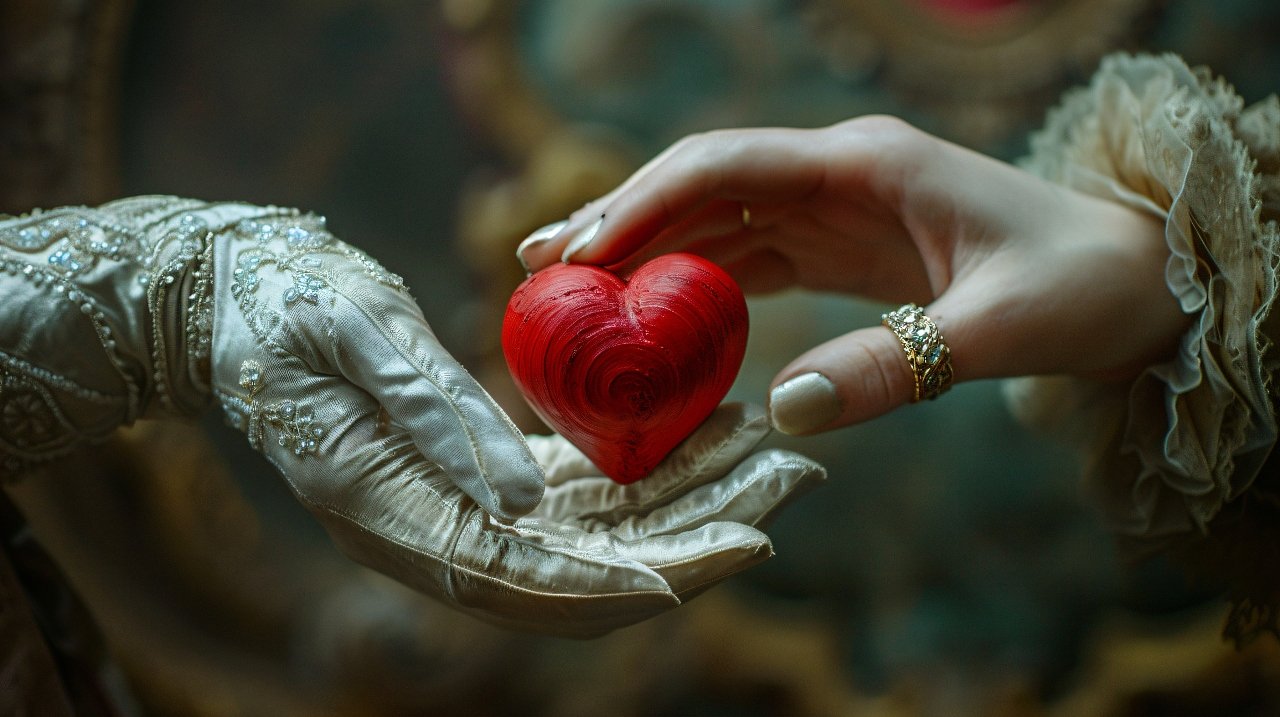
The heart. It’s more than just an organ that pumps life-sustaining blood through our bodies; it holds a world of meaning and emotion. From ancient times to modern-day, the heart has been a powerful symbol in various cultures and traditions. Its shape alone is recognized globally as a representation of love, affection, and compassion.
But what does the heart truly symbolize beyond romance? What deeper meanings lie beneath its surface? Join us on this journey as we explore the multifaceted symbolism for heart—unpacking its historical roots, emotional depths, and spiritual significance. Whether you’re an art enthusiast or simply curious about human emotions, discover how this simple organ continues to inspire creativity and connection across time and space.
The Heart as a Symbol
The heart has captivated human imagination for centuries. Its iconic shape evokes a sense of warmth and familiarity, transcending language and culture.
As a symbol, it represents not just love but also vulnerability. People often speak from the heart, suggesting that true feelings spring from our innermost selves. This connection between emotion and the heart fosters deep understanding among individuals.
In various cultures, the heart is linked to courage as well. Phrases like “having a brave heart” illustrate how this organ embodies resilience in facing challenges.
Additionally, many spiritual practices view the heart as a center of intuition. It serves as a guiding force in decision-making, urging people to listen closely to their inner voice.
Through art, literature, and everyday conversation, the symbolism for heart continues to resonate with us—reminding us of its powerful role in our lives.
Historical and Cultural Significance of the Heart
Throughout history, the heart has held a prominent place in various cultures. Ancient Egyptians believed it was the seat of the soul and emotions. During mummification, they often preserved the heart to accompany the deceased into the afterlife.
In medieval Europe, hearts adorned with crowns symbolized chivalry and courtly love. It became an emblem of romantic devotion during this time. The heart shape we recognize today emerged around this period as well.
Different cultures showcase unique interpretations too. In Chinese symbolism, for example, the heart is linked to morality and compassion. Meanwhile, in Indian tradition, it signifies purity and spiritual awakening.
Across continents and eras, one fact remains clear: people continue to attach deep meaning to this organ beyond its physical function.heart transcends mere anatomy; it embodies humanity’s emotional landscape throughout history.
The Heart as a Representation of Love
The heart is universally recognized as a symbol of love. It transcends language and culture, evoking deep feelings in everyone who encounters it. This image resonates with warmth and connection.
From ancient times, the heart has been associated with romance and affection. Its shape often appears on greeting cards, jewelry, and art, signifying the bond between lovers. A simple red heart can convey emotions that words sometimes fail to express.
In relationships, the heart represents vulnerability and openness. It’s where we store our deepest affections and fears. Love transforms us; it fills us with joy but also exposes us to pain.
Interestingly, this symbolism extends beyond romantic love. The heart embodies compassion for family and friends too—a reminder of how interconnected we are through these bonds of care. Each heartbeat echoes the importance of love in our lives.
Emotional Symbolism of the Heart
The heart serves as a powerful emblem of our emotions. It embodies feelings ranging from joy to sorrow, capturing the complexity of human experience. When we speak of heartbreak or love at first sight, we tap into this intimate connection.
In many cultures, the heart is seen as the seat of emotions rather than just a physical organ. This idea transcends language and borders, resonating with everyone who has ever felt deeply.
Visual imagery often portrays hearts in vibrant colors — red for passion and blue for sadness. These color associations enhance the emotional narrative tied to this symbol.
When someone says they feel “heartfelt” emotion, it reflects sincerity and depth. Such expressions remind us that our capacity to love and feel is what makes us truly human. The heart continues to be a universal representation of emotional life across generations and societies.
Spiritual Symbolism of the Heart
The heart is often seen as a bridge between the physical and spiritual realms. In many traditions, it symbolizes the seat of the soul, where profound truths and divine love reside.
In various cultures, a pure heart represents enlightenment. It signifies clarity, compassion, and connection to higher consciousness. This idea transcends mere emotion; it’s about aligning with universal energies.
Spiritual practices frequently emphasize opening the heart chakra. This energy center encourages love not just for oneself but also for others. When balanced, it fosters forgiveness and empathy.
Many believe that following one’s heart leads to true purpose. Intuition rooted in heartfelt feelings guides decisions toward personal growth and fulfillment.
The symbolism of the heart continues to evolve across spiritual landscapes yet remains a powerful expression of our inner journeys towards understanding life’s mysteries.
Using the Heart as a Symbol in Art and Literature
The heart has long served as a powerful emblem in both art and literature. Artists across centuries have depicted the heart to convey deep emotional truths, often intertwining it with themes of love, loss, and longing.
In visual art, the image of a heart can evoke passion or sorrow. Think of vibrant reds splashed across canvases portraying ardent love or delicate hues capturing heartbreak’s fragility.
Literature also embraces this symbol extensively. Poets and novelists use the heart to articulate feelings that words alone may fail to express. It becomes a vessel for characters’ desires, fears, and vulnerabilities.
From classic works like Shakespeare’s sonnets to contemporary novels exploring complex relationships, hearts bleed ink as much as they do emotion. They create connections between readers and characters that resonate on a profound level. The symbolism remains timeless, allowing artists and writers alike to explore the human experience through this simple yet profound shape.
Conclusion
The heart has long served as a powerful symbol across various cultures and eras. Its rich tapestry of meanings connects deeply with human experiences, transcending language and time. From its representation of love to the emotional weight it carries, the heart resonates on multiple levels.
This enduring symbol invites us to explore our feelings and connections with others. It reminds us that love is not just an abstract concept but a visceral experience felt within our very being. The heart serves as a canvas for artists, writers, and dreamers alike, allowing them to express complex emotions in relatable ways.
Whether through art or literature, the symbolism for heart speaks universally. It encourages introspection about what we value most in life—relationships, compassion, understanding—and highlights the spiritual journey toward connection with ourselves and each other.
As we continue navigating our lives filled with joys and challenges, embracing the symbolism associated with the heart can provide solace. It serves as a reminder that at our core lies an extraordinary capacity for love—a fundamental aspect of what makes us human.